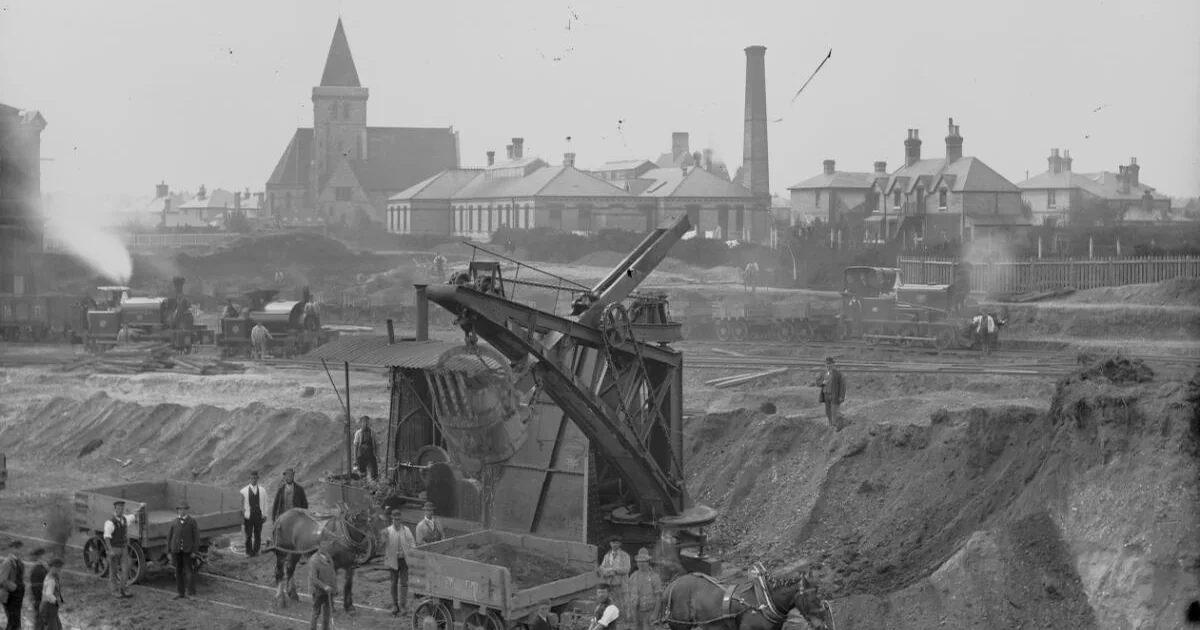

The construction site diary is one of the oldest tools on any job, and for good reason: when there's a dispute about what happened on a given day, the diary is the record everyone reaches for. We spent a lot of time on this while building Railway DPR, and the most useful thing we learned is that "digital vs paper" is the wrong fight. The real question is which parts of the paper habit are worth keeping and which are pure friction.
This is an honest comparison — including the places where paper still beats a screen — and a practical way to switch if you decide digital is right for your site.
What a site diary is actually for
A daily progress report does three jobs at once, and it's easy to forget the second and third until you need them:
- It's a working memory. What did we pour, where, with which crew, in what weather?
- It's a communication tool. It tells people who weren't on site what happened, without a phone call.
- It's a legal and contractual record. Months later, it's evidence — for delay claims, quality questions, or safety audits.
Any format you choose has to serve all three. A diary that's quick to write but impossible to search fails the third job. One that's beautifully searchable but so tedious nobody fills it in fails the first.
Paper vs digital, honestly compared
| Dimension | Paper diary | Digital DPR |
|---|---|---|
| Speed to write a quick note | Hard to beat — pull it out, scribble | Fast, once entry is a habit |
| Works with no signal / dead battery | Always | Needs a charged device; offline support varies |
| Searching back through months | Slow, manual | Seconds |
| Attaching dated photos | Separate, easily disconnected | Attached to the entry itself |
| Surviving rain, dust, loss | Vulnerable | Backed up off the device |
| Sharing with the office | Photograph or re-type | Already shareable |
| Tamper-evidence | Crossed-out lines visible | Depends on the system's edit history |
Read across the rows and a pattern appears: paper wins on capture in bad conditions, digital wins on everything you do with the record afterwards. Which matters more depends on your site.
Where digital clearly wins
The decisive advantage of a digital DPR isn't writing — it's retrieval and connection. A photograph taken on site is automatically tied to the day's entry, so the picture and the words can never drift apart. Three months later, finding "the week we hit rock in section 3" is a search, not an afternoon flipping pages. And the record lives somewhere other than a notebook that can be left on a train.
There's a quieter benefit too. Because a structured digital entry asks the same questions every day — weather, crew, work done, materials, issues — it nudges people into completeness. A blank paper page lets you skip the field you'll wish you'd filled in.
Where paper still earns its place
It would be dishonest to pretend paper has no advantages. In a downpour, with wet gloves and no signal, a notebook just works. There's no battery to die, no app to load, no screen that won't register a tap. For the very first capture — the scribble in the moment — paper is still excellent.
The pragmatic answer many sites land on is not either/or. Capture roughly on whatever's to hand, then enter it properly into the digital record the same day while it's fresh. You keep paper's immediacy and gain digital's permanence. The mistake is letting the paper note become the permanent record, because that's the version that gets lost.
Switching without losing your records
The risk in going digital isn't the new tool — it's the gap during the change, and the old records stranded on paper. A low-drama migration looks like this:
- Run both for two weeks. Keep the paper diary and enter the same days digitally. You'll find the fields you actually use and the ones you can drop.
- Don't back-fill everything. Digitising years of old diaries is rarely worth it. Photograph the closed books, store them safely, and start the digital record cleanly from a chosen date.
- Agree the daily rhythm. Decide who enters, and by when. "Before leaving site" is a clearer rule than "end of day".
- Check the export. Before you trust a system, confirm you can get your data out of it as a report. A record you can't export is a record you don't fully own.
What a good daily entry contains
Regardless of format, the entries that prove their worth later tend to include the same things:
- Date, and the weather that affected work.
- Crew and equipment present.
- Work done, with location and quantity — not just "concreting" but "concreting, section 3, ~40 m³".
- Materials received or used.
- Any instruction received or given.
- Issues, stoppages and their cause.
- A dated photograph or two.
The quantity-and-location habit is the one people skip and later regret. "We poured concrete" is a memory; "40 m³ in section 3 on the 21st" is evidence.
Common pitfalls when going digital
A few traps catch teams early. The first is treating the app as optional — if entry isn't a firm daily habit, the record develops gaps exactly where you'll need it. The second is over-customising: forms with thirty fields get half-filled, while a tight form with the essentials gets completed. The third is forgetting that a digital record needs a backup and an export path; "it's in the app" is only reassuring if you can also get it out of the app.
Get those right and the daily diary stops being a chore you tolerate and becomes something closer to insurance — quiet, dull, and extremely valuable on the day a question comes up about what really happened on site.