
Productivity
Weekly review checklist: reset projects, calendar and commitments
A practical weekly review checklist to clear loose notes, reconcile calendars, update projects, close small loops and choose the next week's outcomes.


Original, field-aware writing on railway and civil engineering, construction, software, AI and productivity—from the team building Ornova Labs tools.
Search all 71 articles or narrow the library by topic.
A practical weekly review checklist to clear loose notes, reconcile calendars, update projects, close small loops and choose the next week's outcomes.

A practical tyre pressure and rotation guide covering cold pressure, load, wear patterns, alignment, balancing, tread checks and record keeping.
A practical trip itinerary planner method using anchors, geographic grouping, realistic travel time, priorities, buffers and backup options.

A practical travel packing checklist organised around documents, health, clothing, electronics, weather, transport and a final departure check.

A usable travel budget template for transport, stays, food, activities, local movement, fees, contingency and group settlement.

A realistic time blocking guide for field and office work, with anchors, flexible blocks, buffers, shutdown routines and a way to recover when the plan is interrupted.

A practical static vs dynamic website comparison covering content, personalisation, editing, security, performance, hosting and long-term maintenance.

A practical site engineer daily checklist for starting the shift, coordinating work fronts, checking drawings and materials, recording quality and progress, and handing over open actions.

A practical Indian road trip checklist covering vehicle readiness, documents, route planning, weather, tolls, rest, emergency supplies and group communication.
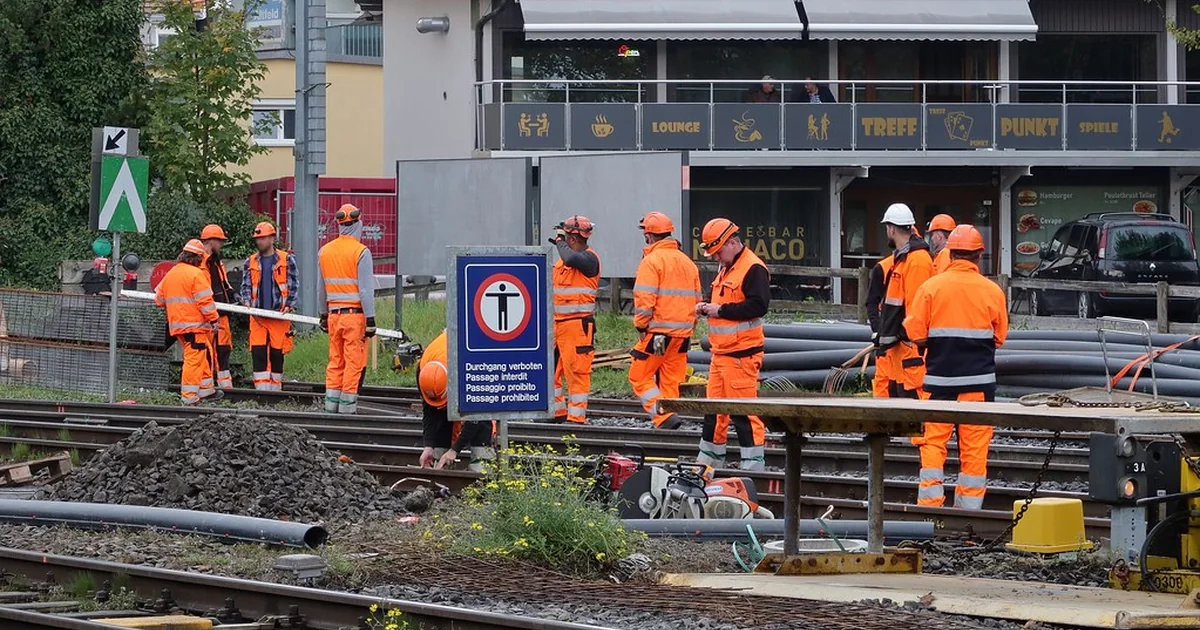
A practical railway track inspection checklist covering context, geometry observations, components, drainage, defects, evidence and follow-up without pretending a blog replaces the controlled railway manual.
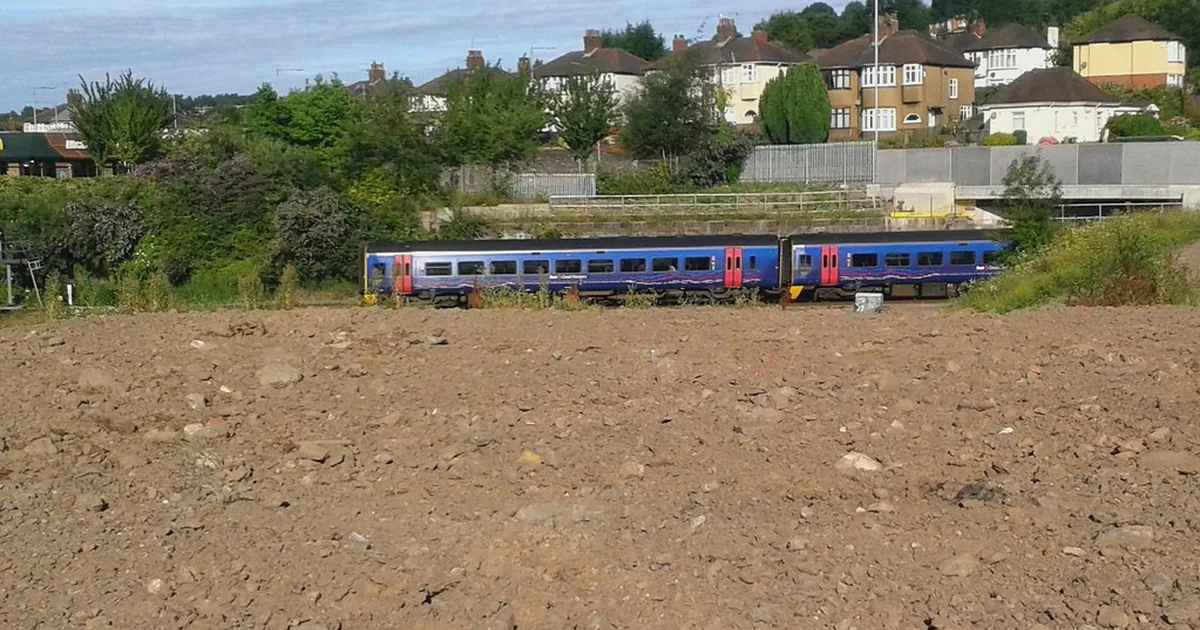
A structured station yard inspection workflow that helps inspectors cover track layout, points and crossings, drainage, platforms, access, housekeeping and open deficiencies consistently.
A practical guide to planning and recording railway monsoon patrols, with route limits, vulnerable locations, rainfall context, communication, observations and immediate escalation.
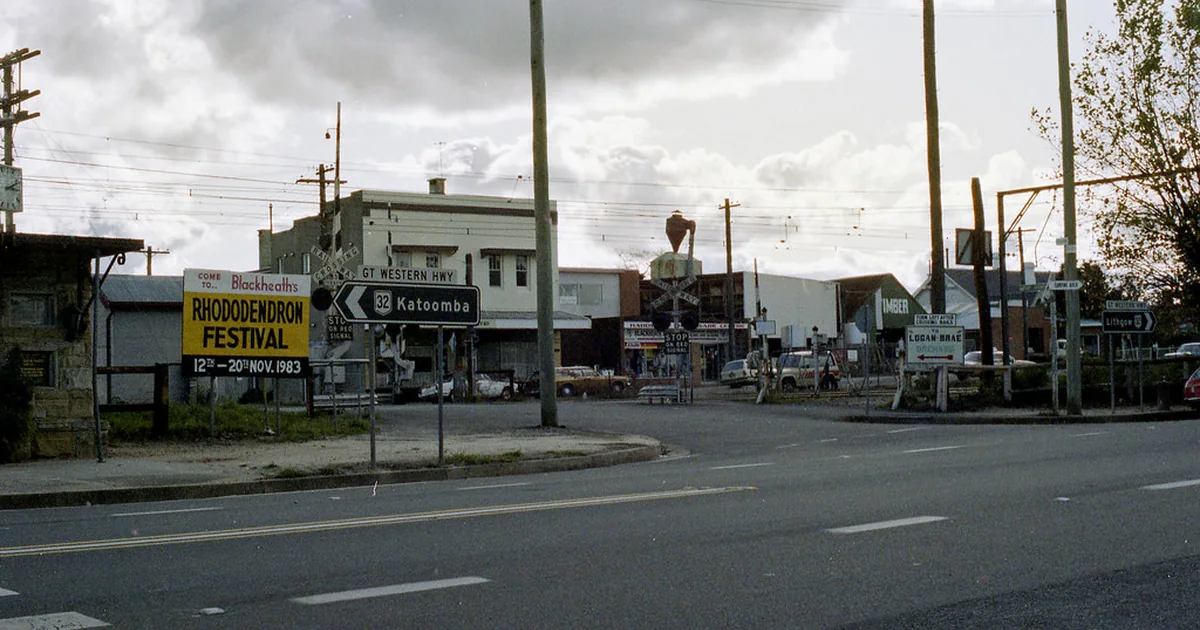
A field-ready level crossing inspection guide for approaches, visibility, road surface, gates, signage, drainage, communication equipment, photographs and deficiency closure.
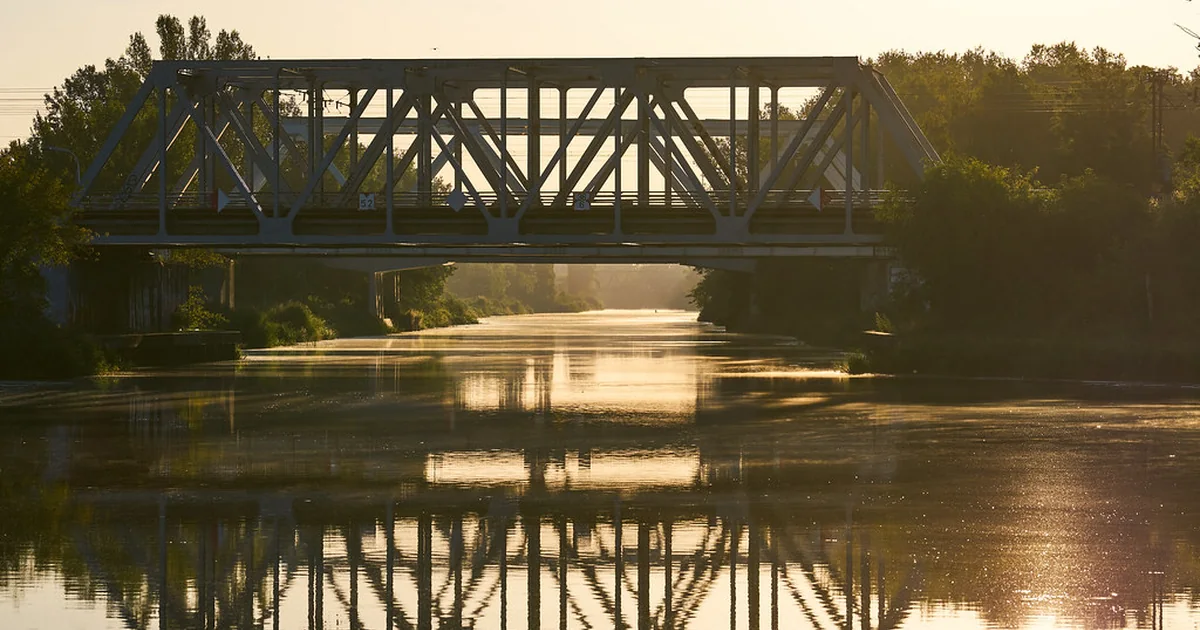
Learn how to structure a railway bridge inspection record around identity, waterway, approaches, superstructure, substructure, bearings, defects, photographs and escalation.
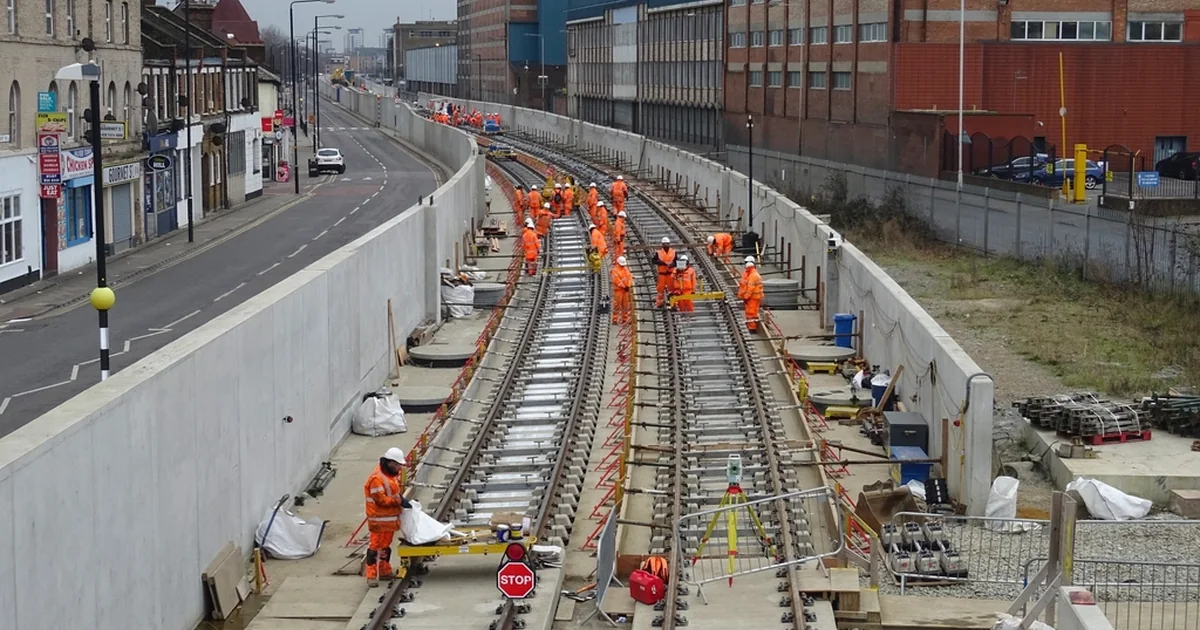
Railway DPR v2 is live with structured daily entries, contracts and sites, progress photos, work history, consolidated PDF reports and WhatsApp update workflows.
RailCheck Pro is now live for structured inspections of stations, level crossings and bridges, with photographs, deficiencies, assignments, review and PDF reporting.

A practical REST API security checklist covering authentication, authorisation, validation, rate limits, secrets, logs, errors, dependencies and production verification.

Understand retrieval-augmented generation (RAG), from document preparation and search to grounded answers, citations, access control and evaluation.

A practical prompt engineering method based on context, outcome, constraints, examples and verification—without magic phrases or keyword rituals.

A practical explanation of progressive web apps, including manifests, service workers, installation, caching, updates, notifications and when a PWA is the wrong choice.

How Ornova Labs applies data minimisation, purpose limitation, access control, clear retention and transparent analytics across practical web applications.

A preventive vehicle maintenance checklist covering tyres, fluids, brakes, battery, lights, filters, documents and manufacturer-specific intervals.

An updated overview of the Ornova Labs product catalogue, from railway reporting and inspections to travel expenses, vehicle costs, examinations and club administration.
A transparent Ornova Labs roadmap update covering nine live products, documentation expansion, engineering utilities, optional sync and future mobile work.
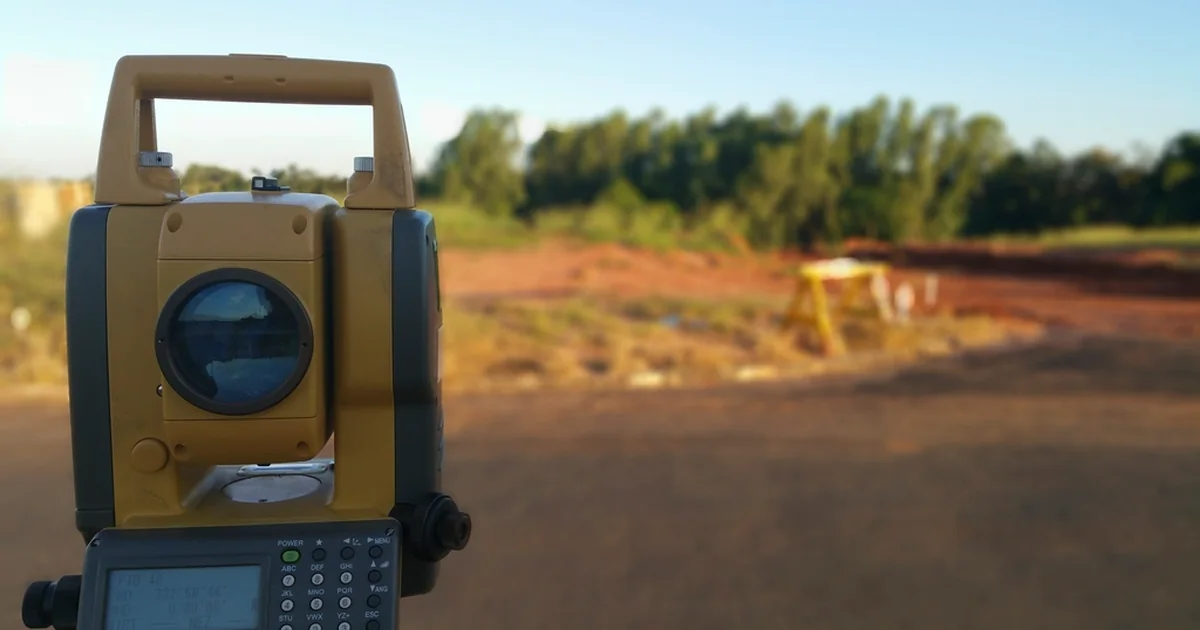
A field-focused levelling survey guide covering benchmarks, backsight and foresight logic, height of instrument, rise-and-fall checks, closing error and a clean level-book workflow.

A balanced Laravel vs Node.js comparison based on team skills, application shape, background work, packages, hosting, testing and operational ownership.

A practical Vehicle Manager tutorial for adding vehicles, recording fuel fills, calculating mileage, tracking maintenance, setting reminders and reviewing costs.
A step-by-step Trip Manager tutorial for creating a trip, adding members, recording shared costs, using custom participants and calculating settlements.
A practical Railway TA tutorial for recording field movement, reviewing the month, correcting entries and producing a claim-ready statement.

A step-by-step Railway DPR v2 tutorial for choosing a site, recording structured progress, attaching photographs, reviewing work history and generating reports.
A practical RailCheck Pro tutorial covering asset selection, checklist responses, photo evidence, deficiencies, review and formal PDF reports.

A practical method to split group trip expenses by participant, family or custom shares, track who paid, handle exceptions and calculate a clean settlement.

A practical guide to reducing AI hallucinations with grounded sources, narrow tasks, structured outputs, verification checks and human accountability.

A practical Core Web Vitals guide to LCP, INP and CLS, field data, image sizing, JavaScript work, font loading and changes users can actually feel.

Learn the full-tank method for car mileage calculation, why dashboard estimates differ, how to handle partial fills and how to track a useful long-term average.
A useful fuel log template covering date, odometer, litres, price, fill type, station, vehicle, notes and calculated efficiency.

A practical fleet cost tracking model for fuel, maintenance, tyres, insurance, tax, depreciation, finance, downtime and cost per kilometre.
Use the Eisenhower matrix to separate urgency from importance, decide what to schedule, delegate or remove, and avoid letting every message become a crisis.

Build a simple digital file naming system using dates, subjects, document types, revisions and status—without unreadable codes or duplicate final-final files.

A practical daily work log template for recording completed work, decisions, interruptions, evidence and next actions without turning the log into another burden.
A complete construction daily progress report format covering weather, labour, plant, quantities, locations, inspections, delays, safety, photographs and next-day planning.

A practical construction snag list workflow using precise locations, acceptance criteria, photographs, ownership, priority, due dates and verified close-out.
A practical construction progress tracking method using work breakdown, measurable quantities, milestones, constraints, evidence and honest forecasting.
A practical construction material reconciliation method comparing opening stock, receipts, issues, theoretical consumption, closing stock, returns and explained variance.
A practical construction delay documentation guide covering contemporaneous records, affected activities, notices, instructions, resources, mitigation and chronology.
A practical concrete quantity calculation guide covering measured dimensions, deductions, wet volume, mix basis, wastage assumptions and the checks that prevent spreadsheet confidence from becoming site error.
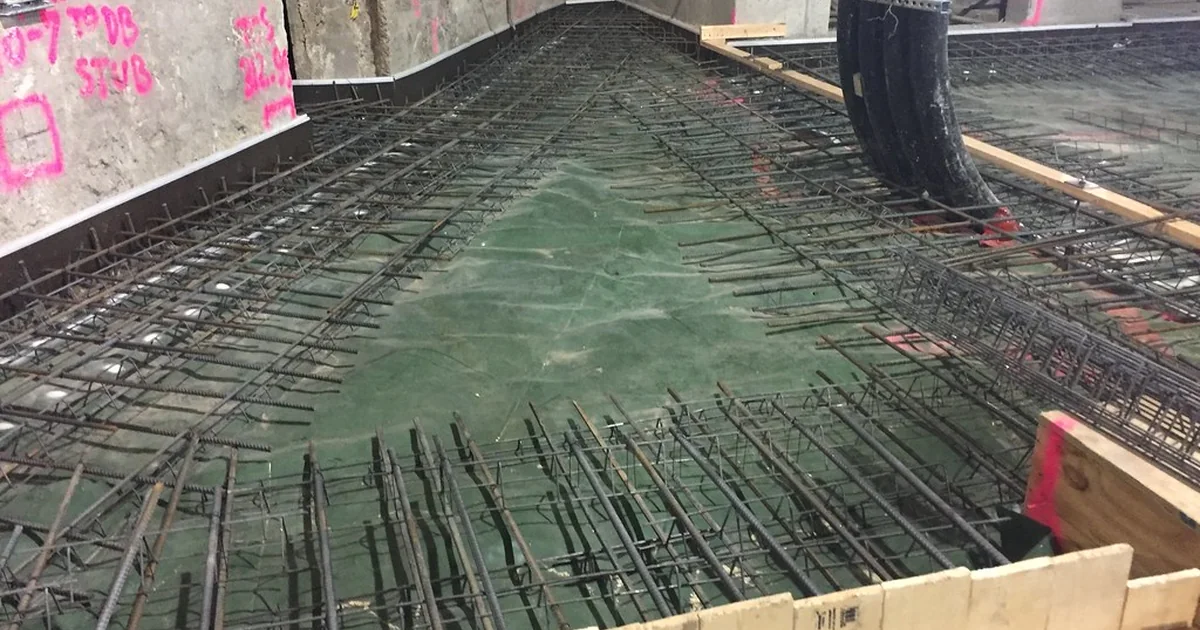
Understand the practical structure of a bar bending schedule, including bar marks, shape, dimensions, cutting length, quantity, unit weight, laps, hooks, revisions and independent checking.

A clear explanation of quantity takeoff, estimate and bill of quantities, how each document is built, who uses it and why confusing them creates procurement and payment problems.

A grounded guide to using AI for civil engineering paperwork, document search, drafting and data organisation while keeping calculations, compliance and sign-off with competent people.

A plain-language guide to AI agents: how models use tools, keep state, plan work, verify results and why permissions and human review matter more than impressive demos.

Paperwork drains your day in small bites: searching, asking, retyping, rebuilding the day from memory. This is the hidden time cost and a simple four-step system - capture, attach, categorize, review - that wins it back, with before/after examples across Railway DPR, Trip Manager and Vehicle Manager.
An honest, anti-hype look at AI in engineering paperwork: it is strong at the mechanical, checkable language work and dangerous for facts, quantities, code compliance and sign-off. Covers hallucination, automation bias, the NIST AI Risk Management Framework, and a clear line between assistant and authority.
A clear template for a railway daily progress report (DPR), plus why the old notebook-then-Excel routine is slow and error-prone, and how taking notes on site and generating the report on the go makes an engineer's day faster and the record more accurate.

A field-tested system for tracking travel expenses while you travel, not after: record first and sort later, capture receipts and screenshots on the spot, handle cash and group trips, and compare planned vs actual spending - with a one-minute capture flow.
Field paperwork fails when the same information is written again and again in different places. This is the capture-once-reuse-everywhere principle: record an event properly at the source with photos and proof, then reuse that one entry for reports, billing, client updates and history - across Railway DPR, Trip Manager and Vehicle Manager.
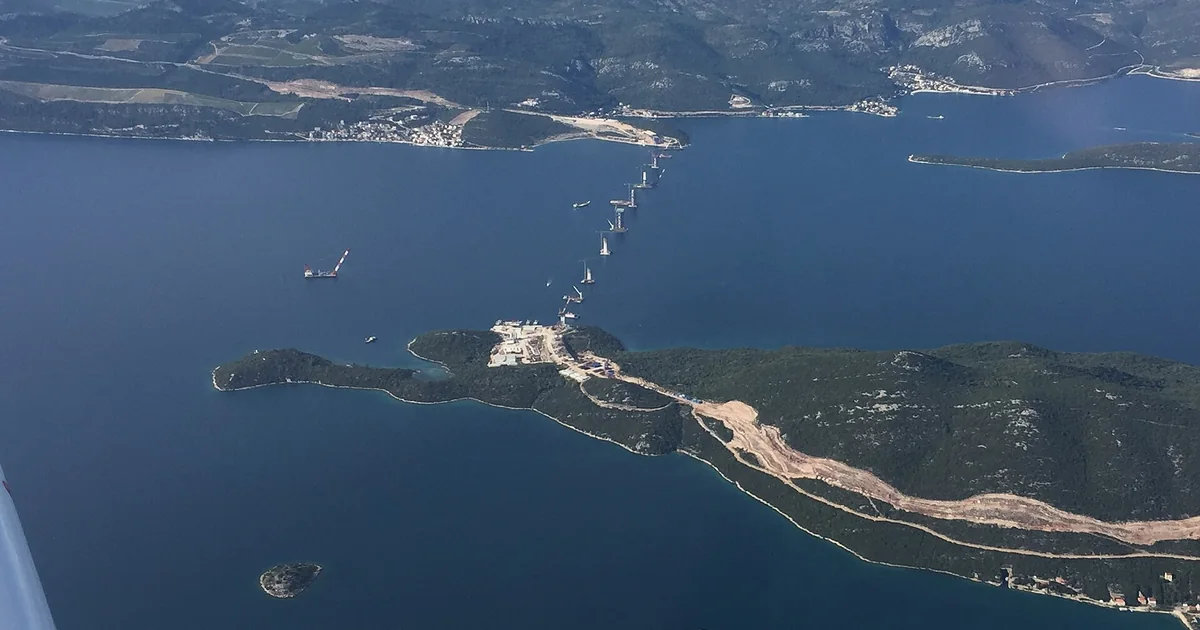
Construction site photos record physical change, back up your documentation and prove the facts in a dispute. This is a simple, repeatable system for site photography built on three habits - naming, angles and frequency - plus the cover-up shots you can never retake.
Clearing the Railway LDCE while running full duty is a time problem, not an intelligence problem. Here's a study plan built around shift work, why the old read-it-and-forget-it method fails working candidates, and how a mobile-first, memory-curve approach turns idle duty time into real progress.
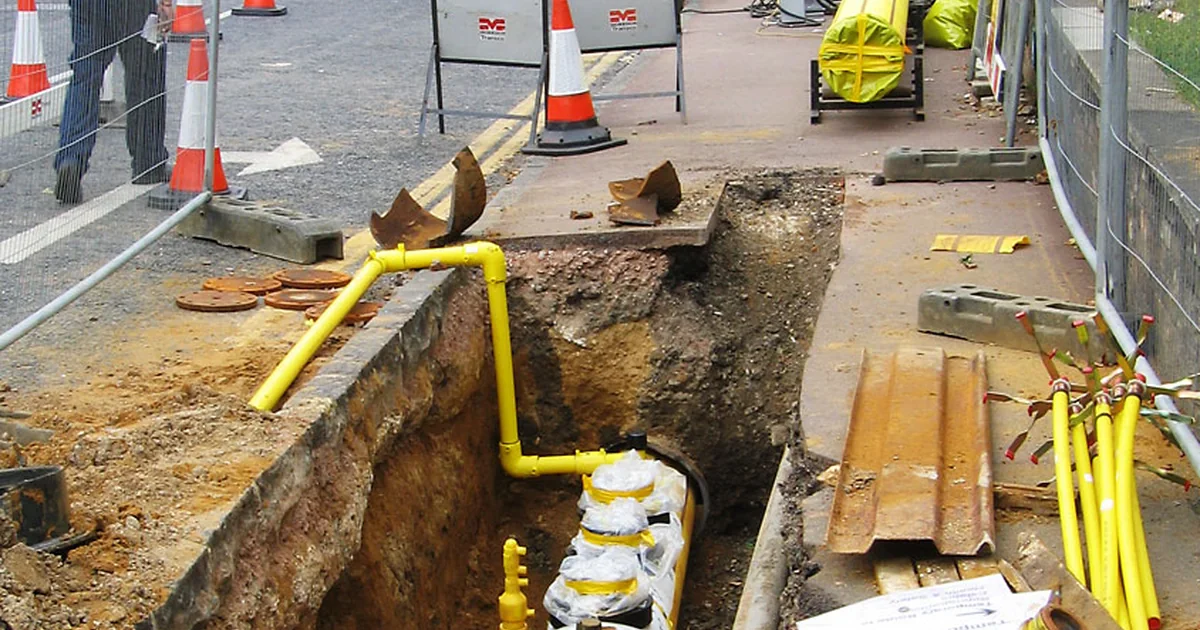
A practical field guide to measuring earthwork volumes on railway and civil works: cross-section and grid methods, a fully worked example, bulking and shrinkage, the IS codes that apply (IS 1200 Part 1, IS 2720, IS 3764), and a checklist to keep your quantities defensible.
A complete walkthrough of Railway PPT, from creating your account to downloading a finished deck: register and activation, the dashboard, the three-column generator, choosing a template (the form changes to match), Magic Rewrite, saved slides and agencies, the live preview, and full mobile support.
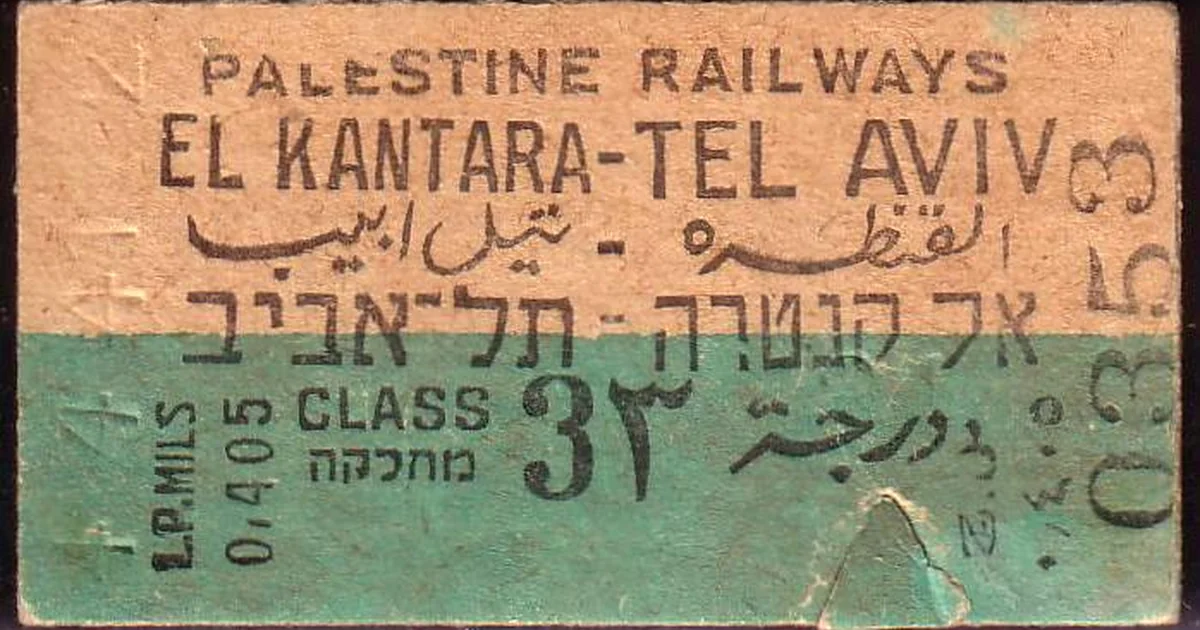
Indian Railway TA claims are still compiled by hand at month-end, a habit carried over from the British era. Here's how the process really works, where the hours actually go, and how recording your duty movement on the go turns claim day into a single click.
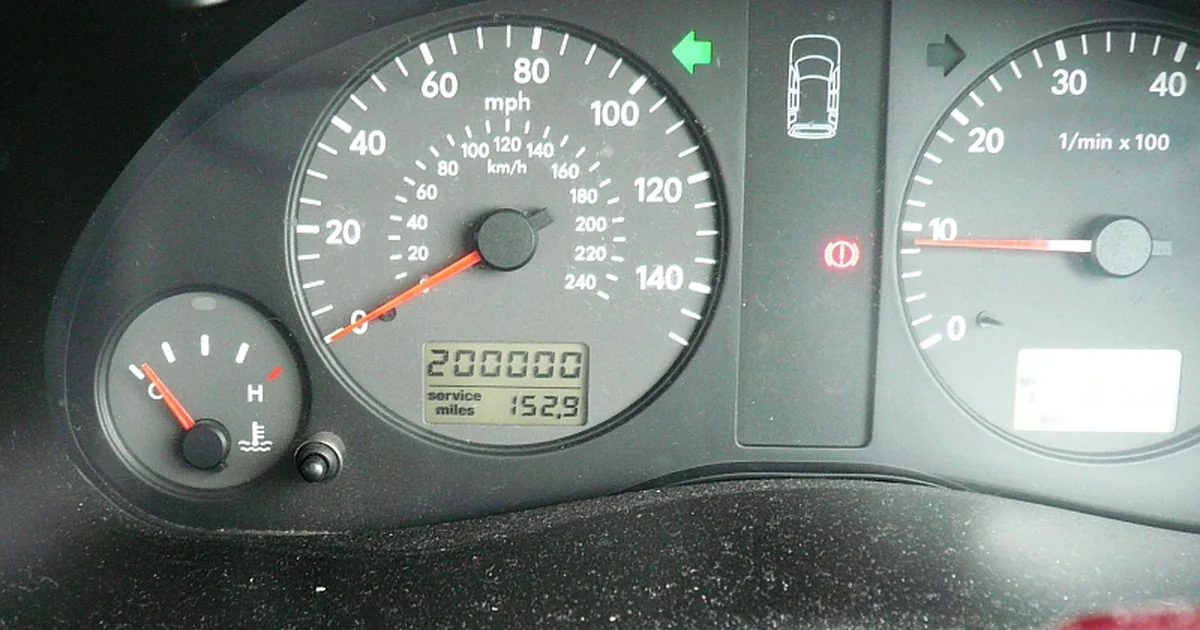
Most people price a vehicle on fuel alone and quietly lose money. This guide shows how to calculate the true cost-per-kilometre - fuel, depreciation, insurance, maintenance, tyres, taxes, finance and driver - with a full worked example where the real cost turns out to be more than double the fuel figure.
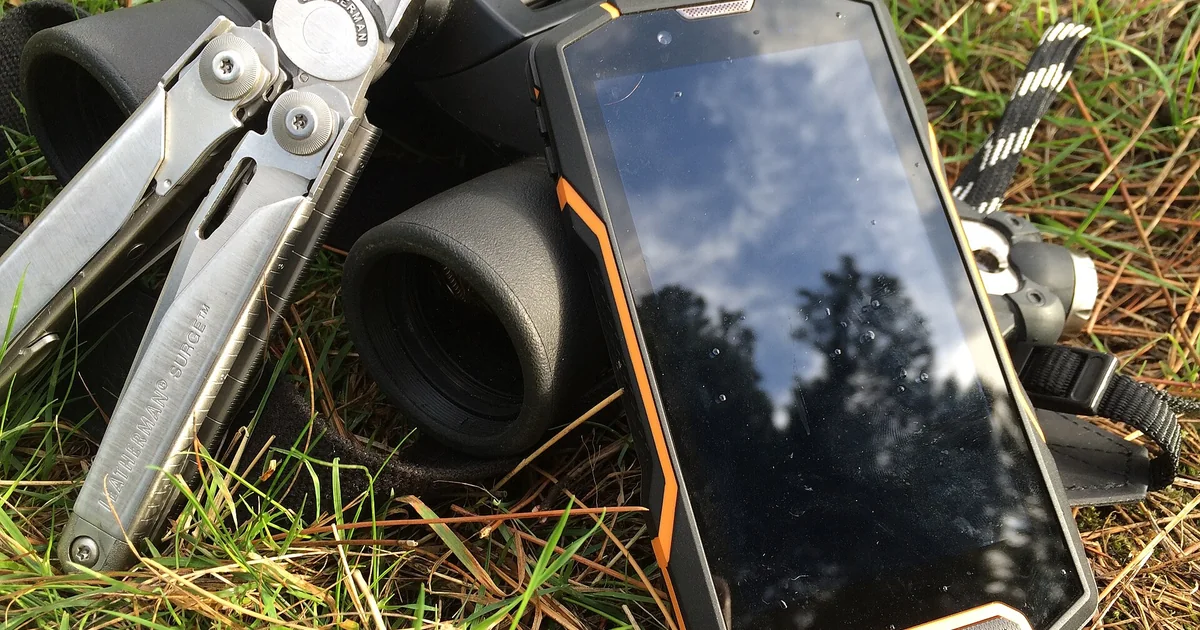
Most software assumes office wifi and breaks in the field. These are the choices that make software work on one bar of signal or none: design for the worst bar, keep payloads tiny, save fast and forgiving, minimise round trips, fail gracefully and build mobile-first.

On any construction project, the Target Date of Completion and liquidated damages make daily progress records critical. This guide explains what makes a DPR strong enough to support an extension-of-time or delay claim - contemporaneous records, planned vs actual, cause and effect - and how to produce claim-ready reports on the go.
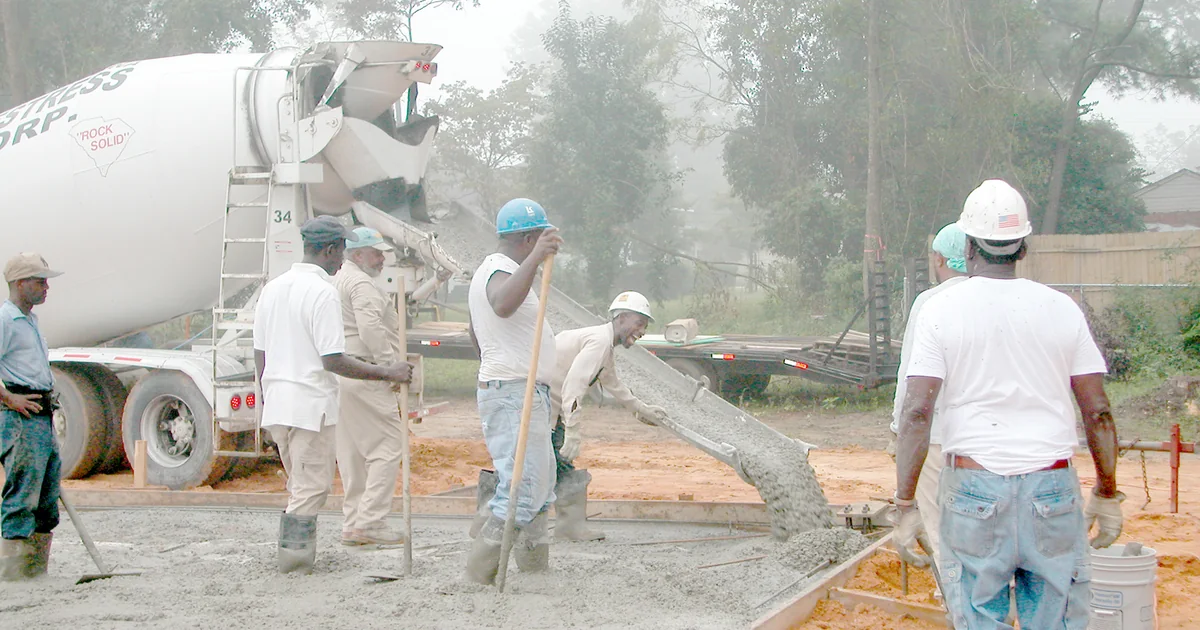
A site engineer's guide to documenting a concrete pour: what to capture before, during and after, the cube-sampling frequency under IS 456, slump testing to IS 1199, curing and striking, and why a complete pour record is the only evidence once the concrete has set.

A practical framework for picking a stack per product instead of forcing one everywhere: three questions that decide between static HTML, PHP/Laravel and Node - and the real reasons each Ornova Labs product uses the stack it does.
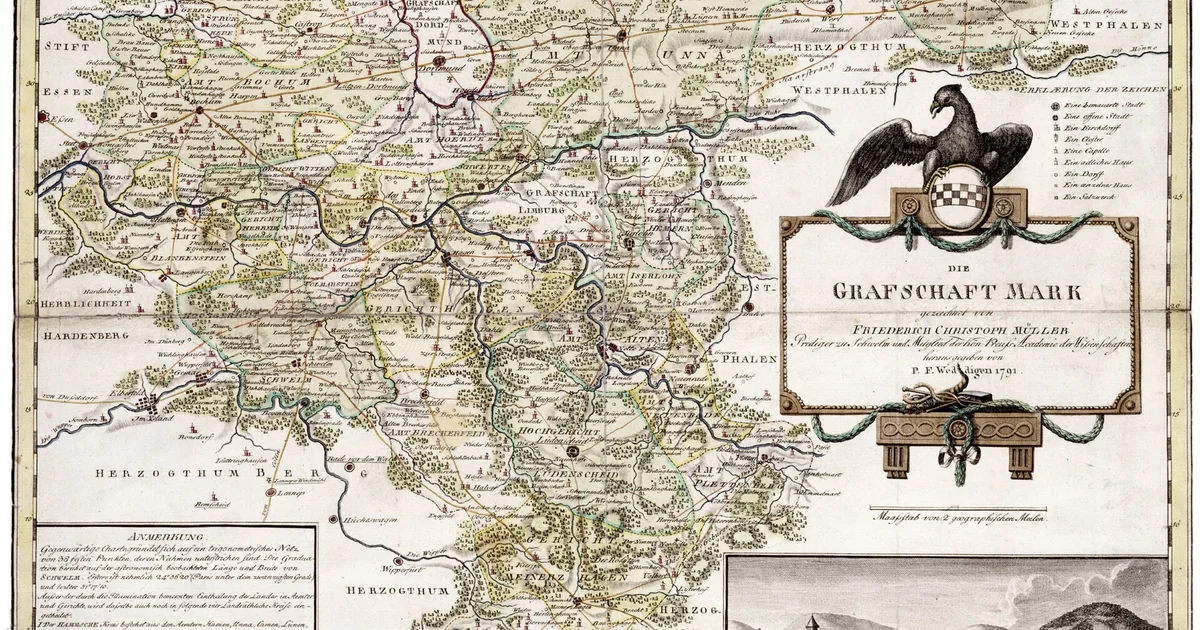
Every itinerary looks perfect until the trip starts. This guide shows how to build a flexible travel plan that bends instead of breaking - time blocks, a three-level priority system, buffer time, area grouping, backups, and tracking planned vs actual.

A behind-the-scenes look at how a small studio uses AI to build software faster - what we hand to AI, the spec-draft-review-test loop we keep humans inside, and what the evidence (GitHub's 55% study and the 2024 Stack Overflow survey) says about where the speed-up really lands.
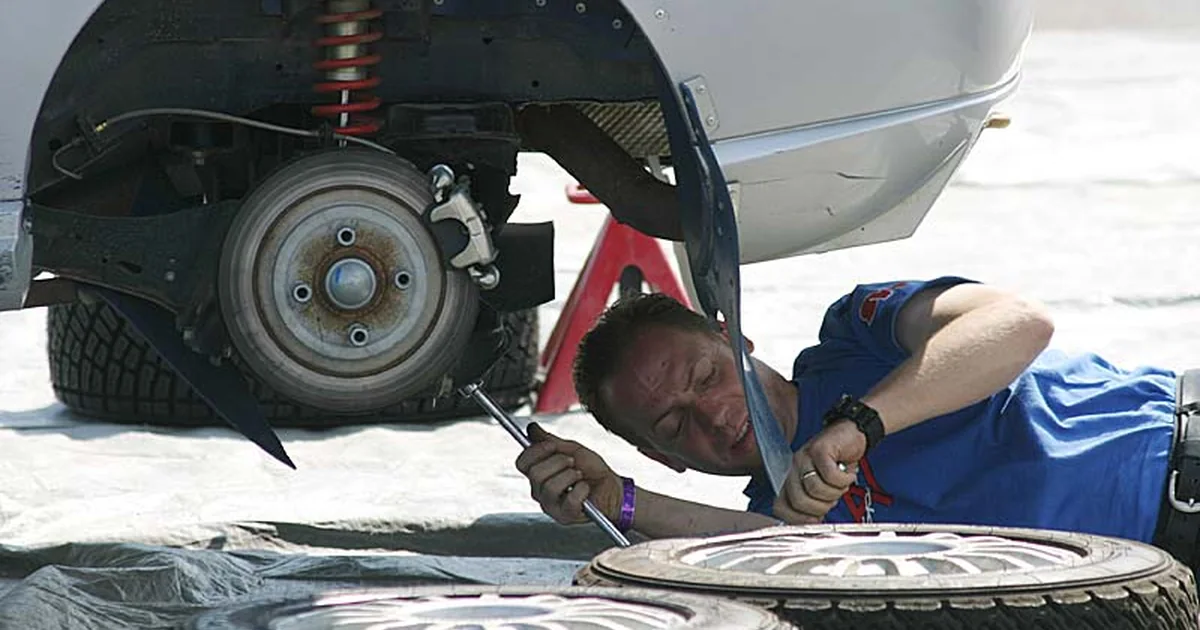
Most expensive vehicle problems start as small ignored details. This guide shows exactly what to track in a maintenance log - service, fuel, tyres, battery, documents and costs - plus a simple reminder cadence and document lead-times that keep surprises off your bill.

The engineering case for a framework-free static website: Core Web Vitals, build simplicity, SEO, and the exact techniques we use to keep pages loading instantly.
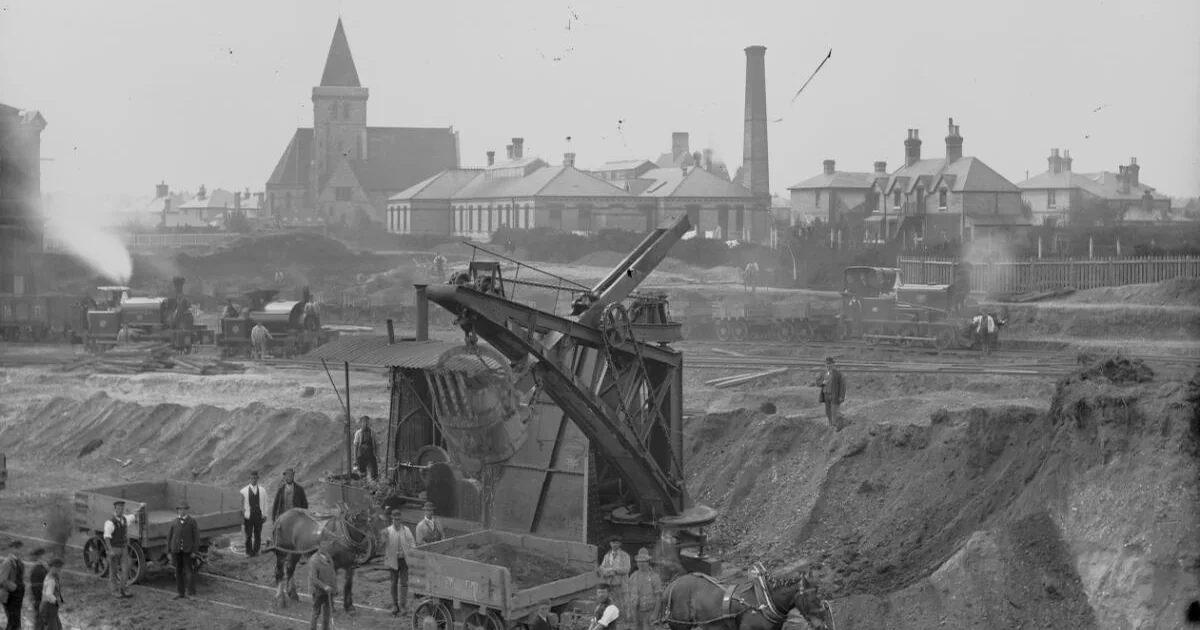
A practical, field-tested workflow for turning daily railway site data into clean presentations — the structure, the common mistakes, and how we automated it in Railway PPT.

An honest comparison of paper site diaries and digital daily progress reports, based on building Railway DPR — where digital wins, where paper still has a place, and how to switch without losing records.
Try a broader word, or choose another category.
Explore the practical web apps behind many of our engineering, reporting and productivity workflows.