
People searching for railway station yard inspection usually do not need another definition. They need a method they can use when the day is busy, the information is incomplete and somebody will ask for the record later. This guide is written for that moment. The workflow also connects naturally with an Ornova Labs tool built for this job.
A structured station yard inspection workflow that helps inspectors cover track layout, points and crossings, drainage, platforms, access, housekeeping and open deficiencies consistently. The aim is a reliable working habit, not a perfect-looking document that collapses under real conditions.
The essentials that make the method work
Map the inspection limits
Define reception, dispatch, loop, siding and platform areas so the record shows what was and was not examined.
Give points and crossings focus
Record asset identity and observations at switches, crossings, fittings, ballast and drainage using the controlled inspection requirements.
Look beyond the rail
Platforms, cess paths, drains, cable routes, vegetation and worksite activity can affect safe access and asset performance.
Link defects to operations
Note the location and operational context needed by the teams who will protect, plan or rectify the issue.
Maintain an open-item register
Carry unresolved items forward with age, priority, owner and latest evidence rather than losing them between reports.
A repeatable step-by-step workflow
- Brief. Confirm yard activity and safe walking arrangements
- Divide. Inspect one defined zone at a time
- Identify. Use point numbers, line names and platform references
- Photograph. Capture context before details
- Reconcile. Compare the new list with all previously open actions
A useful workflow should survive interruptions. If you stop halfway through, another person should still be able to see what is complete, what remains open and which evidence supports the entry. That is why short notes captured at the source beat polished recollections written days later.
A realistic example
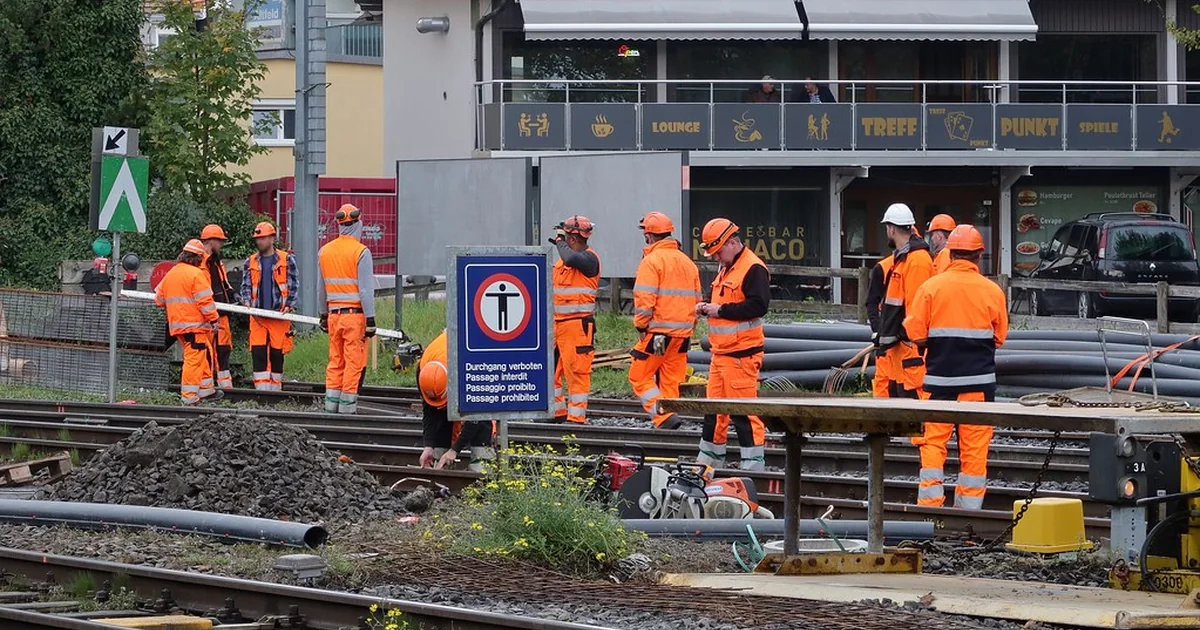
During a yard walk, water is ponding near a crossover after rain. The record connects the drainage observation to the exact point number and line, shows the upstream and downstream condition, checks whether it was previously reported and assigns a follow-up.
The lesson is not that every project needs the same form. It is that the decision, evidence and next action should stay connected. Once those three pieces separate, teams lose time reconstructing the story.
Common mistakes and how to avoid them
- Walking an improvised route and unknowingly skipping a siding or crossover.
- Recording only technical assets while ignoring unsafe access and drainage conditions.
- Referring to 'yard points' without the point number or line.
- Starting a fresh defect list each inspection instead of reconciling the old one.
These mistakes look small in isolation. Repeated across a month, however, they produce duplicate work, weak records and decisions based on memory. A five-minute check at capture time is normally cheaper than a one-hour reconstruction later.
Quick checklist
- Map the inspection limits checked and recorded
- Give points and crossings focus checked and recorded
- Look beyond the rail checked and recorded
- Link defects to operations checked and recorded
- Maintain an open-item register checked and recorded
- Owner and next action identified
- Supporting photo, reading or source attached where relevant
- Final entry reviewed for clarity before sharing
Authoritative reference and further reading
This guide is original Ornova Labs editorial content. For rules, standards or safety-critical decisions, always use the current controlled document issued by the responsible authority. A useful starting point is Indian Railways operating manual. The external link is provided as a reference, not as an endorsement or a substitute for project-specific requirements.