
People searching for how to calculate car mileage usually do not need another definition. They need a method they can use when the day is busy, the information is incomplete and somebody will ask for the record later. This guide is written for that moment. The workflow also connects naturally with an Ornova Labs tool built for this job.
Learn the full-tank method for car mileage calculation, why dashboard estimates differ, how to handle partial fills and how to track a useful long-term average. The aim is a reliable working habit, not a perfect-looking document that collapses under real conditions.
The essentials that make the method work
Use distance between full tanks
Subtract the earlier odometer from the later one and divide by litres added at the later full fill.
Keep filling conditions consistent
Pump cut-off, slope and topping habits can move a single result even when driving is unchanged.
Do not use partial fills alone
A partial fill lacks a reliable end point; include it in the fuel total until the next confirmed full tank.
Track context
City traffic, highway speed, load, idling, weather and air conditioning help explain change.
Judge trends, not one tank
A rolling average reveals deterioration more reliably than celebrating or worrying about one reading.
A repeatable step-by-step workflow
- Fill. Stop consistently at the first automatic cut-off
- Record. Save odometer and litres
- Drive. Use the vehicle normally
- Refill. Return to a full tank and capture the new values
- Calculate. Divide kilometres travelled by litres added
A useful workflow should survive interruptions. If you stop halfway through, another person should still be able to see what is complete, what remains open and which evidence supports the entry. That is why short notes captured at the source beat polished recollections written days later.
A realistic example
If the odometer moves from 24,180 km to 24,612 km and the refill is 36 litres, the measured mileage is 432 ÷ 36 = 12 km/l. Keep the raw readings so the calculation can be checked.
The lesson is not that every project needs the same form. It is that the decision, evidence and next action should stay connected. Once those three pieces separate, teams lose time reconstructing the story.
Common mistakes and how to avoid them
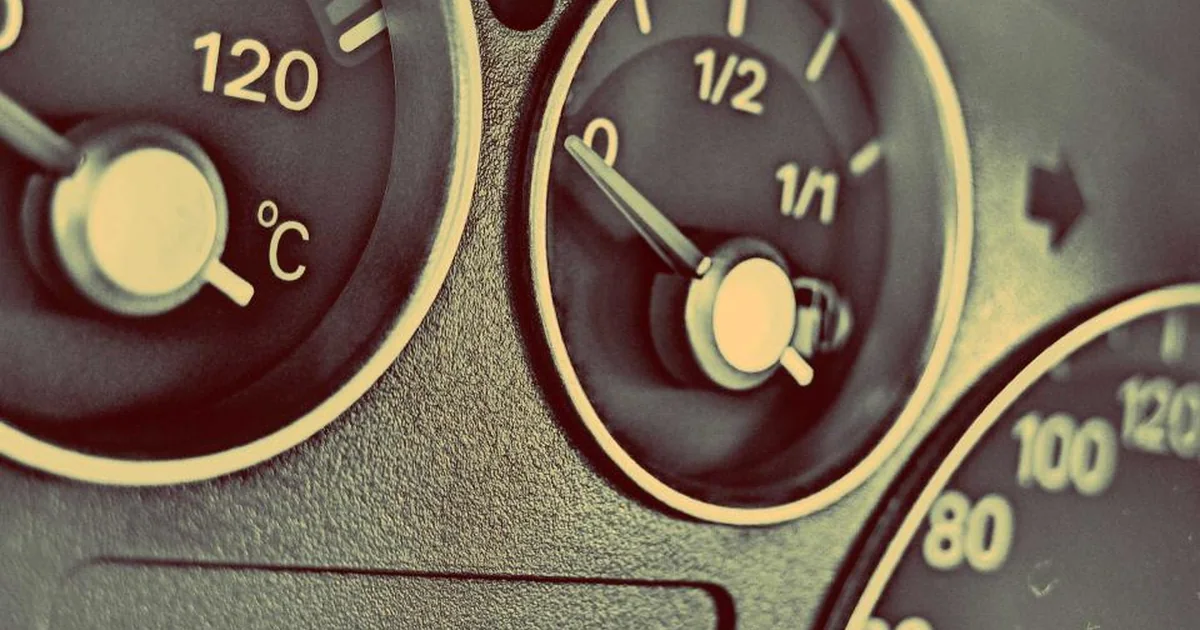
- Dividing the trip distance by the fuel gauge's estimated consumption.
- Comparing one highway tank with one congested city tank.
- Resetting the trip meter but forgetting to record the fill quantity.
- Ignoring tyre pressure, idling or maintenance when mileage changes.
These mistakes look small in isolation. Repeated across a month, however, they produce duplicate work, weak records and decisions based on memory. A five-minute check at capture time is normally cheaper than a one-hour reconstruction later.
Quick checklist
- Use distance between full tanks checked and recorded
- Keep filling conditions consistent checked and recorded
- Do not use partial fills alone checked and recorded
- Track context checked and recorded
- Judge trends, not one tank checked and recorded
- Owner and next action identified
- Supporting photo, reading or source attached where relevant
- Final entry reviewed for clarity before sharing
Authoritative reference and further reading
This guide is original Ornova Labs editorial content. For rules, standards or safety-critical decisions, always use the current controlled document issued by the responsible authority. A useful starting point is Ministry of Road Transport and Highways. The external link is provided as a reference, not as an endorsement or a substitute for project-specific requirements.