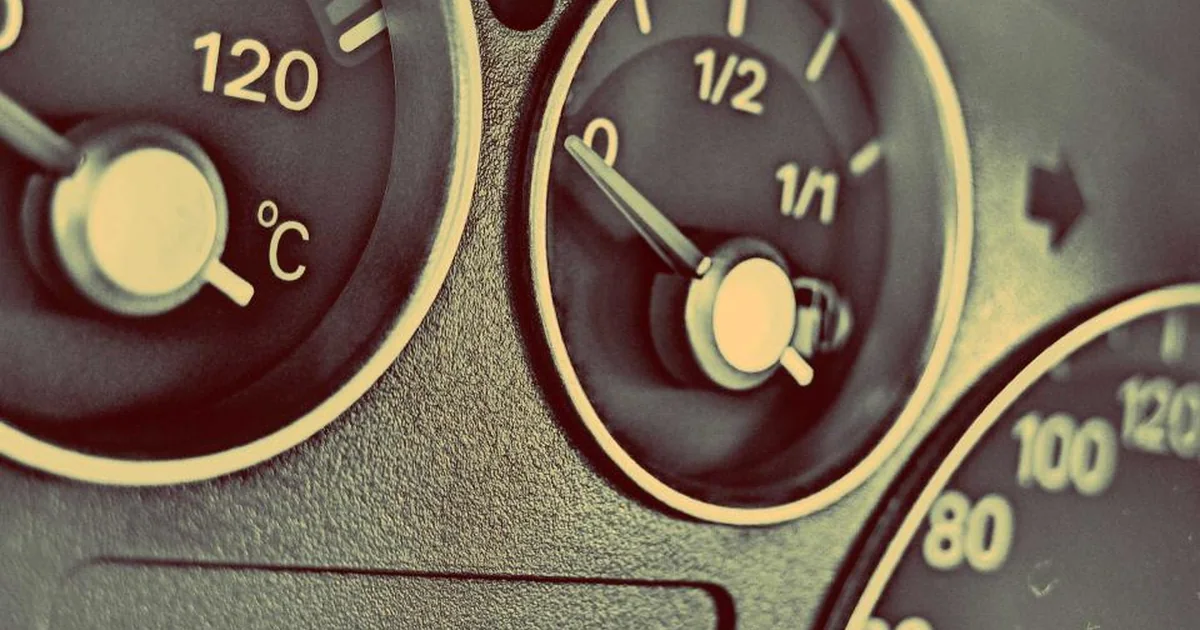

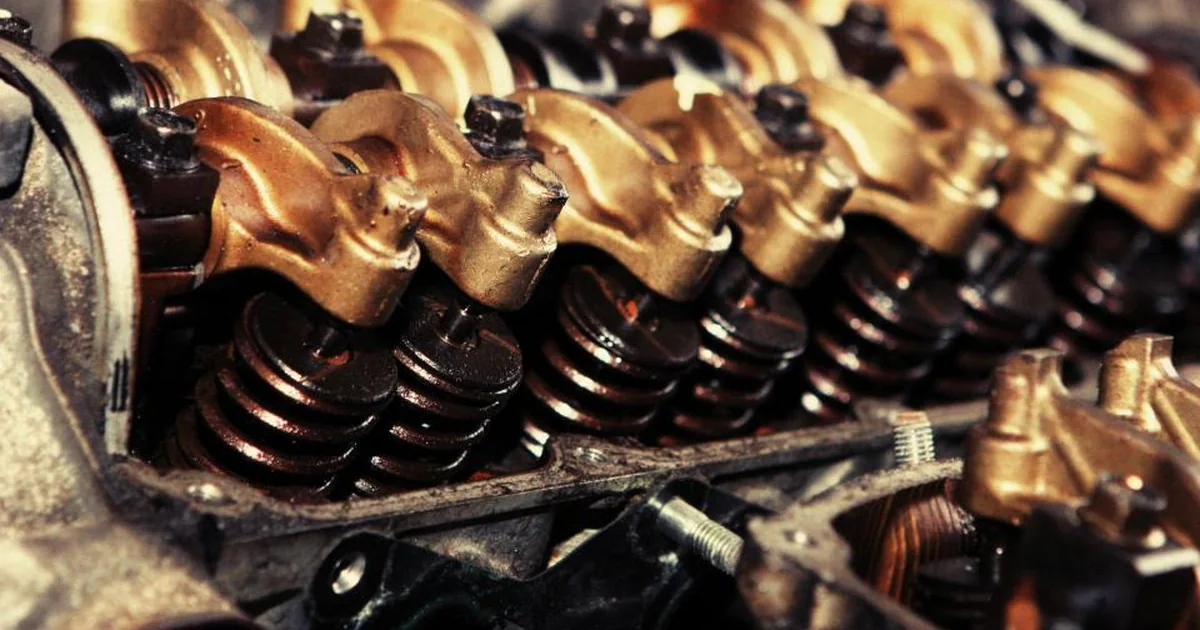
People searching for preventive vehicle maintenance checklist usually do not need another definition. They need a method they can use when the day is busy, the information is incomplete and somebody will ask for the record later. This guide is written for that moment. The workflow also connects naturally with an Ornova Labs tool built for this job.
A preventive vehicle maintenance checklist covering tyres, fluids, brakes, battery, lights, filters, documents and manufacturer-specific intervals. The aim is a reliable working habit, not a perfect-looking document that collapses under real conditions.
The essentials that make the method work
Follow the vehicle schedule
The owner's manual and operating conditions control intervals; a generic checklist is only an organising aid.
Use time and distance
Low-mileage vehicles still age oil, rubber, fluids and batteries.
Inspect safety items frequently
Tyres, brakes, lights, wipers and warning indicators deserve checks between services.
Record work and parts
Date, odometer, specification, invoice and next due point make future decisions defensible.
Respond to severe use
Dust, heat, short trips, loads and long idling may require the schedule's severe-service intervals.
A repeatable step-by-step workflow
- Baseline. Record current odometer, condition and known history
- Schedule. Enter every time- and distance-based due item
- Inspect. Perform regular driver-level checks
- Service. Use approved specifications and competent repair
- Review. Update the next due point and unresolved advisories
A useful workflow should survive interruptions. If you stop halfway through, another person should still be able to see what is complete, what remains open and which evidence supports the entry. That is why short notes captured at the source beat polished recollections written days later.
A realistic example
A car travels little but is more than a year past its scheduled inspection. Time-based review catches aged fluid, tyre condition and battery decline that distance alone would miss.
The lesson is not that every project needs the same form. It is that the decision, evidence and next action should stay connected. Once those three pieces separate, teams lose time reconstructing the story.
Common mistakes and how to avoid them
- Using only kilometres and forgetting annual replacements or inspections.
- Resetting a reminder without recording what was actually done.
- Buying parts by appearance instead of correct specification.
- Ignoring a repeated advisory until the next scheduled service.
These mistakes look small in isolation. Repeated across a month, however, they produce duplicate work, weak records and decisions based on memory. A five-minute check at capture time is normally cheaper than a one-hour reconstruction later.
Quick checklist
- Follow the vehicle schedule checked and recorded
- Use time and distance checked and recorded
- Inspect safety items frequently checked and recorded
- Record work and parts checked and recorded
- Respond to severe use checked and recorded
- Owner and next action identified
- Supporting photo, reading or source attached where relevant
- Final entry reviewed for clarity before sharing
Authoritative reference and further reading
This guide is original Ornova Labs editorial content. For rules, standards or safety-critical decisions, always use the current controlled document issued by the responsible authority. A useful starting point is Ministry of Road Transport and Highways. The external link is provided as a reference, not as an endorsement or a substitute for project-specific requirements.