
Software
Static vs dynamic website: how to choose the right architecture
A practical static vs dynamic website comparison covering content, personalisation, editing, security, performance, hosting and long-term maintenance.


Original, practical articles for people working with software. Clear steps, realistic examples and useful references.

A practical REST API security checklist covering authentication, authorisation, validation, rate limits, secrets, logs, errors, dependencies and production verification.

A practical explanation of progressive web apps, including manifests, service workers, installation, caching, updates, notifications and when a PWA is the wrong choice.

A balanced Laravel vs Node.js comparison based on team skills, application shape, background work, packages, hosting, testing and operational ownership.

A practical Core Web Vitals guide to LCP, INP and CLS, field data, image sizing, JavaScript work, font loading and changes users can actually feel.
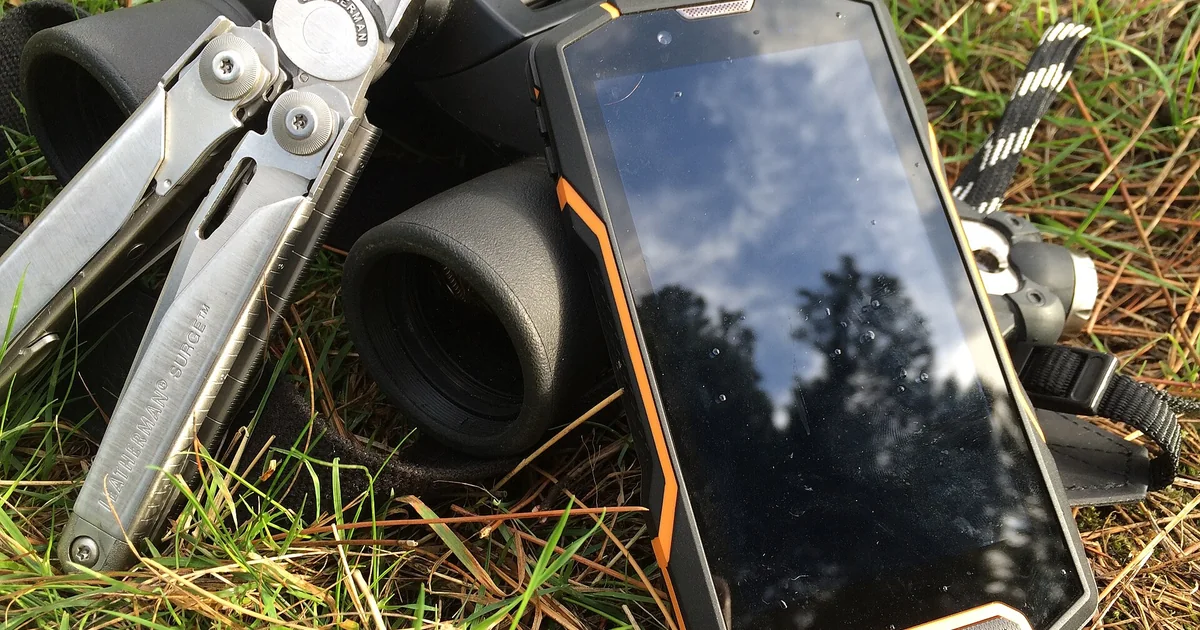
Most software assumes office wifi and breaks in the field. These are the choices that make software work on one bar of signal or none: design for the worst bar, keep payloads tiny, save fast and forgiving, minimise round trips, fail gracefully and build mobile-first.

A practical framework for picking a stack per product instead of forcing one everywhere: three questions that decide between static HTML, PHP/Laravel and Node - and the real reasons each Ornova Labs product uses the stack it does.

The engineering case for a framework-free static website: Core Web Vitals, build simplicity, SEO, and the exact techniques we use to keep pages loading instantly.
Explore another topic