
People searching for Ornova Labs roadmap 2026 usually do not need another definition. They need a method they can use when the day is busy, the information is incomplete and somebody will ask for the record later. This guide is written for that moment. The workflow also connects naturally with an Ornova Labs tool built for this job.
A transparent Ornova Labs roadmap update covering nine live products, documentation expansion, engineering utilities, optional sync and future mobile work. The aim is a reliable working habit, not a perfect-looking document that collapses under real conditions.
The essentials that make the method work
Nine products are live
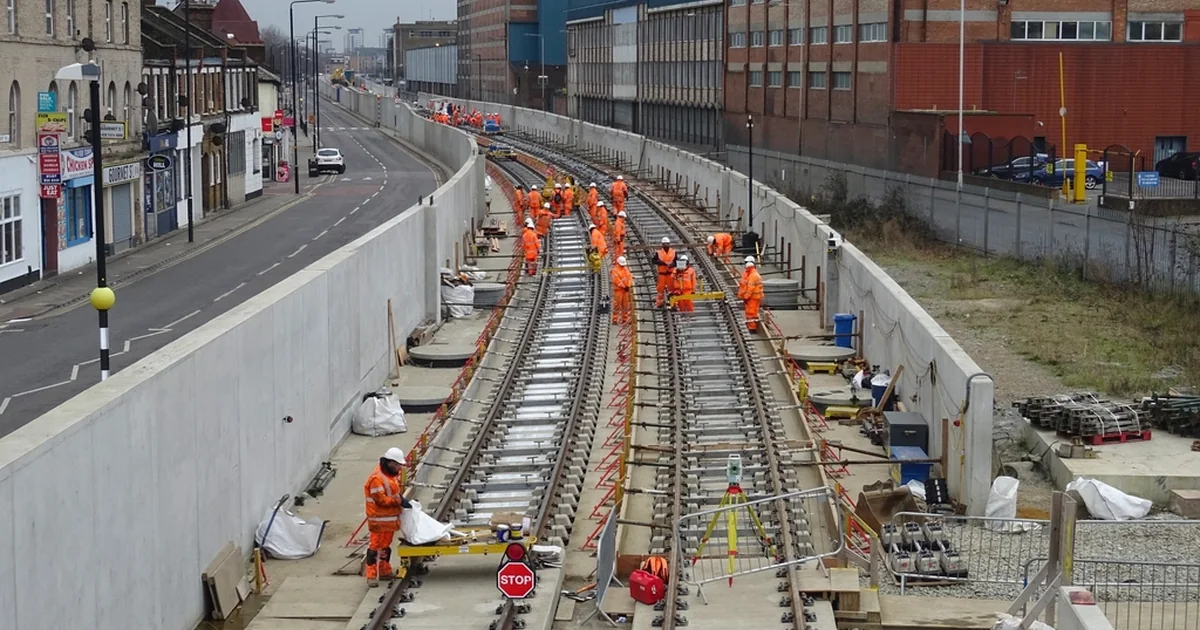
The current catalogue covers railway work, construction reporting, inspections, learning, travel, vehicles and club administration.
Documentation remains ongoing
Deeper task-based guides help users understand not only buttons but the workflow around them.
Reliability comes before breadth
Existing tools need monitoring, security updates and clear recovery before expansion becomes useful.
Feedback shapes engineering utilities
Repeated field problems are stronger product signals than generic feature lists.
Mobile and sync stay selective
Native builds and cross-device accounts will be chosen where they solve a demonstrated limitation.
A repeatable step-by-step workflow
- Listen. Collect specific friction from users
- Verify. Confirm the problem across real workflows
- Scope. Choose the smallest useful release
- Ship. Publish with documentation and status visibility
- Learn. Review support questions and measured use
A useful workflow should survive interruptions. If you stop halfway through, another person should still be able to see what is complete, what remains open and which evidence supports the entry. That is why short notes captured at the source beat polished recollections written days later.
A realistic example
Promoting RailCheck Pro from development to live required more than changing a badge: its launch route, product page, documentation, FAQ, roadmap and sitemap needed to tell the same truthful story.
The lesson is not that every project needs the same form. It is that the decision, evidence and next action should stay connected. Once those three pieces separate, teams lose time reconstructing the story.
Common mistakes and how to avoid them
- Publishing dates for work whose scope is not understood.
- Calling a feature planned when it has no owner or evidence of demand.
- Launching new products while old documentation remains misleading.
- Measuring catalogue size instead of useful completed work.
These mistakes look small in isolation. Repeated across a month, however, they produce duplicate work, weak records and decisions based on memory. A five-minute check at capture time is normally cheaper than a one-hour reconstruction later.
Quick checklist
- Nine products are live checked and recorded
- Documentation remains ongoing checked and recorded
- Reliability comes before breadth checked and recorded
- Feedback shapes engineering utilities checked and recorded
- Mobile and sync stay selective checked and recorded
- Owner and next action identified
- Supporting photo, reading or source attached where relevant
- Final entry reviewed for clarity before sharing
Authoritative reference and further reading
This guide is original Ornova Labs editorial content. For rules, standards or safety-critical decisions, always use the current controlled document issued by the responsible authority. A useful starting point is About Ornova Labs. The external link is provided as a reference, not as an endorsement or a substitute for project-specific requirements.