
Expensive vehicle problems rarely arrive out of nowhere. They almost always send a small signal first: a little drop in mileage, an odd sound that comes and goes, a service that slips by "just a week", a tyre that keeps needing air, an insurance date nobody remembers until it has already passed. The fault is usually not careless driving. More often it is simply poor tracking, and that is something a maintenance log fixes cheaply.
You do not need anything complicated. You need to record the right things at the right time. Think of a maintenance log as a health record for your vehicle: it tells you what was done, when, at what reading, what it cost, and what needs attention next.
Most vehicle problems give a warning first
A missed oil change does not wreck an engine on the day it is missed; it does it slowly, over the weeks nobody was counting. A tyre worn past its best does not fail the moment it crosses the line; it just quietly costs you grip and mileage until it does. Brakes grumble before they get expensive. Batteries crank slowly before they die on a cold morning. The damage is gradual, which is exactly why a written record beats memory: it notices the slow drift that a busy week hides.
Why owners miss the early signs
Most people maintain a vehicle from memory. They roughly remember the last service, guess at the last oil change, judge the tyres by a glance, and lean on the driver, the mechanic, or a shoebox of old bills to fill in the rest. It works, right up until the day a small ignored thing turns into a big bill. A maintenance log replaces that guesswork with plain information, and the difference is the gap between a planned ₹4,800 service and an unplanned ₹40,000 repair.
The vehicle was warning you the whole time. A log is just the habit of writing the warnings down before they turn into invoices.
What a maintenance log actually is
A maintenance log is a record of everything that matters about your vehicle: services, repairs, fuel, odometer readings, tyres, battery, document dates and the reminders that come with them. Underneath all the detail it only ever answers five small questions: what happened, when, at what odometer reading, what did it cost, and when should it be looked at again. Track those five honestly and managing the vehicle stops being a memory test.
What to track, without drowning in detail
A good log captures enough to make decisions, not so much that nobody keeps it up. Start with the vehicle's identity, then layer the running records on top.
- Vehicle profile: name or model, registration number, type, fuel, purchase date, assigned driver, current odometer. This matters the moment you run more than one vehicle. "Bolero serviced" is useless across a fleet of three; "WB-24-AB-1234 serviced" is not.
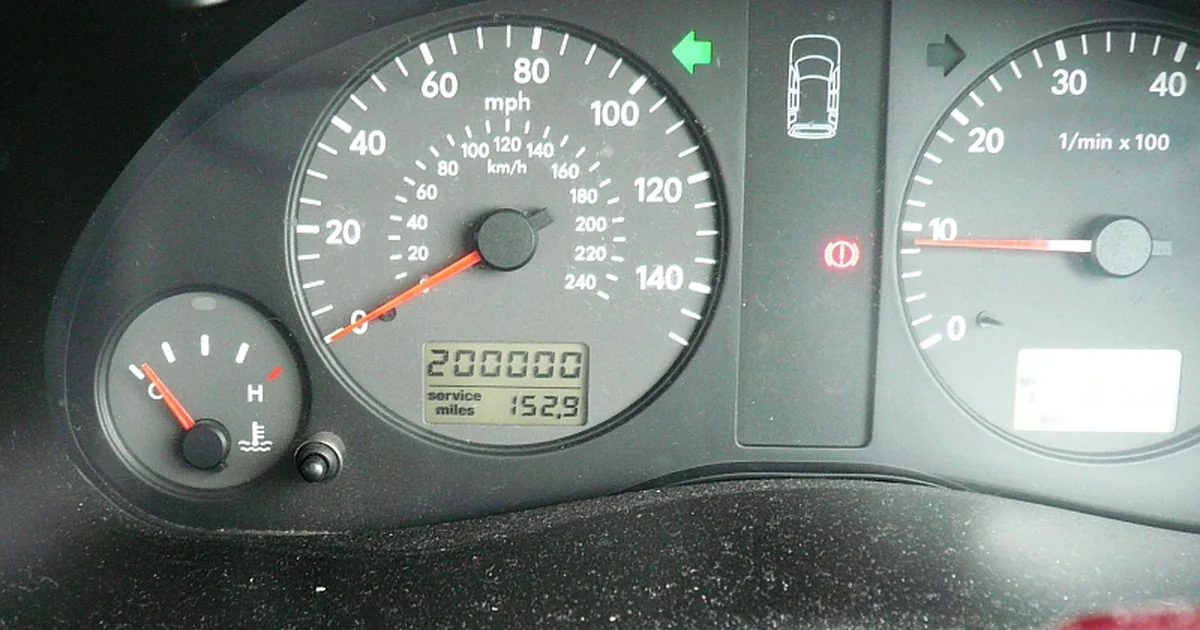
- Odometer readings: the most underrated field of all. Many jobs are due by distance, not date, so without a running reading you will service either too early, wasting money, or too late, risking damage. Note the reading every time you fuel up, service, replace a part, or spot a problem.
- Service history: date, odometer, what was done, where, cost, and the next-due trigger.
- Repairs, kept separate from service: the reported problem, the part replaced, parts and labour cost, workshop, and any warranty. Keeping repairs apart from routine service is what lets you spot a part that keeps failing, which usually points to driving style, road conditions or poor parts rather than bad luck.
- Fuel: date, quantity, cost, odometer and the resulting mileage. A fuel log is an early-warning system as much as a cost record. A vehicle that usually returns 15 km a litre and suddenly drops to 11 is telling you something, often low tyre pressure, a clogged air filter, a leak or an engine issue.
- Tyres and battery: purchase date, brand, cost, the odometer at fitting, rotations and alignments for tyres, and the warranty and any warning signs for the battery. Both fail at the worst possible moment, and both give notice if you are watching.
One clean service entry is all it takes, and it pays off months later when you are hunting for a pattern:
| Field | Entry |
|---|---|
| Vehicle | Tata Ace · WB-24-AB-1234 |
| Date | 18 August 2026 |
| Odometer | 64,200 km |
| Work done | Engine oil, oil filter, air filter |
| Cost | ₹5,600 |
| Workshop | Authorised service centre |
| Next due | 74,200 km or 18 February 2027 |
| Notes | Check brake pads at next service |
Reminder cadence: what to check, and when
A log becomes genuinely powerful when it is tied to reminders, because the point is not to record the past but to stay ahead of the future. Most vehicles are well served by five simple rhythms.
The daily glance, fuel level, warning lights, a look at the tyres and a feel of the brakes, takes less than two minutes and stops most roadside breakdowns; for a commercial vehicle the driver should do it before the first trip. The weekly check covers pressures and fluid levels, where a slow leak is cheap to catch and expensive to ignore. The monthly review is the one that earns its keep, because that is when you sit with the numbers and notice the vehicle costing more than it should. The distance-based jobs, oil, filters, brakes, alignment and suspension, fall every 5,000 to 10,000 km depending on the vehicle and how hard it works; dusty roads, city traffic, hills and heavy loads all pull that interval shorter, so follow your manufacturer's schedule rather than a fixed number. And before any long trip, a five-minute check of tyres and spare, brakes, fluids, battery and documents saves hours stranded on the road.
The expiry dates that bite hardest
Not every expensive surprise is mechanical. Some of the worst ones are a date that slipped past, because an expired document can mean a fine, and for a working vehicle it can mean the vehicle is off the road entirely, so the real loss is the lost day's work on top of the penalty. Document reminders deserve the same seriousness as service reminders, and the trick is to set them well before the deadline, not on it.
Insurance, road tax and registration reward the longest lead times, because renewing them can take a few days and lapsing them is costly. The pollution certificate is quick to renew, so a week or two is usually enough. Permit and fitness sit in between. Set these once as recurring reminders and the whole category stops being a source of nasty surprises.
Turning the log into a habit
The catch with any maintenance log is the same as with a diet: it only works if you actually keep it. Kept by hand, it tends to fade after a busy fortnight. That is the gap our Vehicle Manager tool is being built to close, by giving each vehicle a single record with the fields that matter, the vehicle profile and odometer, fuel and service entries, repairs, expenses by category, document expiry dates and reminders, notes, the assigned driver, and a place to attach the bill photo.
The point of those fields is to move you from memory-based maintenance to record-based maintenance. Instead of asking "when did we last service this one?", you open the log. Instead of hoping the insurance is still valid, you get a reminder before it lapses. Instead of wondering why a vehicle feels expensive, you compare its fuel, service and repair history against the others.
Fewer surprises, lower cost
A maintenance log will not make a vehicle problem-free. What it does is make the problems predictable. You know when a service is due, when a document expires, which vehicle is quietly costing too much, and which repair keeps coming back. That adds up to fewer emergency jobs, fewer sudden bills, and fewer days when the vehicle is stuck in a workshop instead of out earning. The expensive surprises almost always begin as small ignored details, a skipped service, a tired tyre, a forgotten date, a mileage dip nobody clocked. The whole habit comes down to one line: record it today so it cannot surprise you tomorrow.